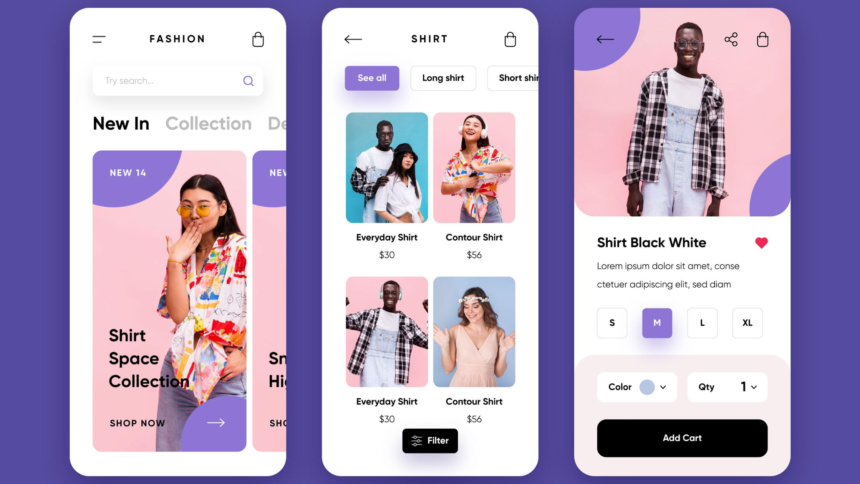
Nearly thirty years after Clueless gave us Cher Horowitz’s dream closet — the one that digitised her wardrobe and matched outfits for her, modern tech is finally catching up. New apps (notably Alta) are using generative AI to help users catalog, style, and even virtually try on clothes, making the long-joked-about “Clueless app” feel possible at last.
But as the latest tools promise to rethink everything from fit to resale, a bigger question hangs in the air: will AI actually change shopping culture?
Here are some of the AI trends happening at the moment
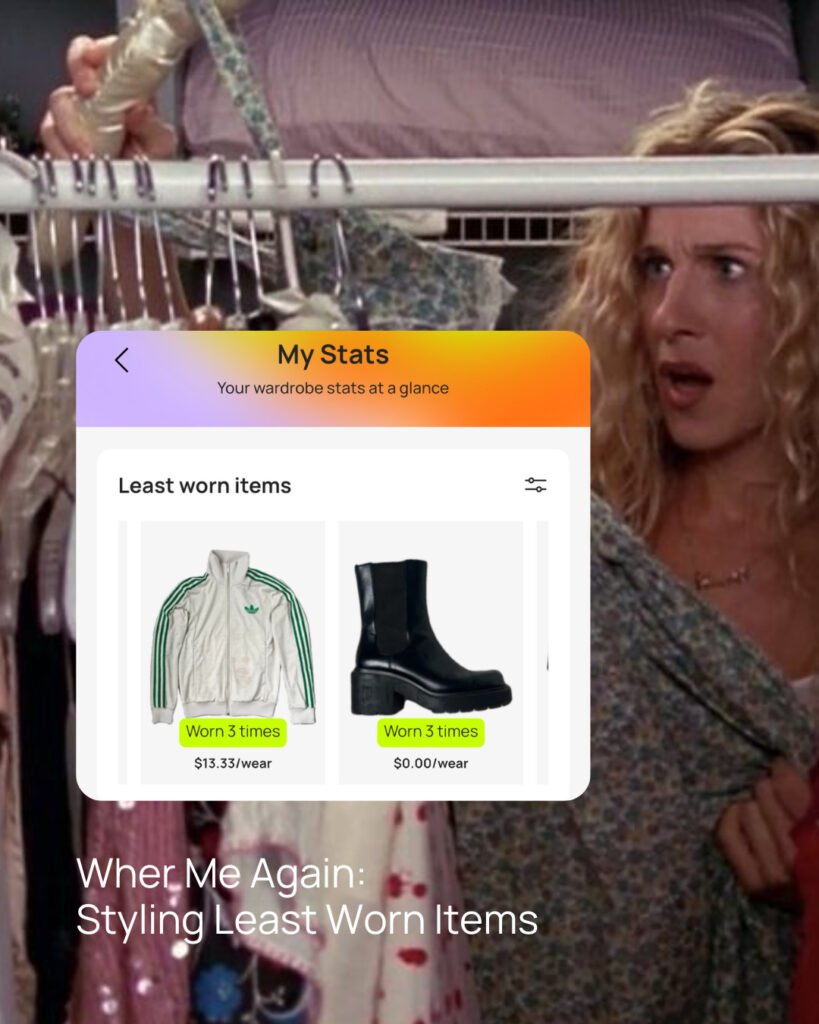
The AI Wardrobe Manager: your closet, finally organised
What it does: Digitises what you own, auto-tags items with computer vision, suggests outfits based on calendar and weather, and nudges you to reuse or resell pieces.
Who’s doing it: Consumer apps like Alta, Whering, and Indyx are leading the pack in different ways — Alta with a generative-AI styling angle, Whering with a sustainability focus, and Indyx positioning as a full wardrobe index.
Virtual try-on that actually reduces returns
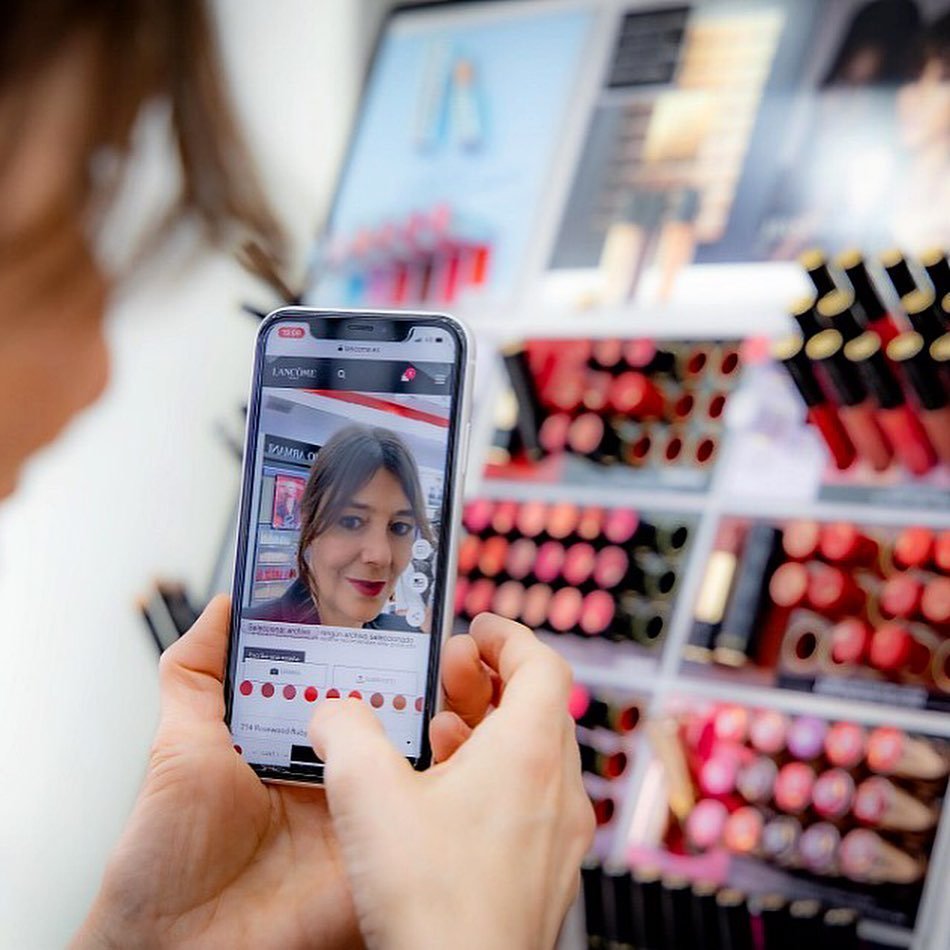
What it does: AR/3D and image-based fitting simulate how makeup or clothing looks on you before you buy, improving confidence and cutting return rates.
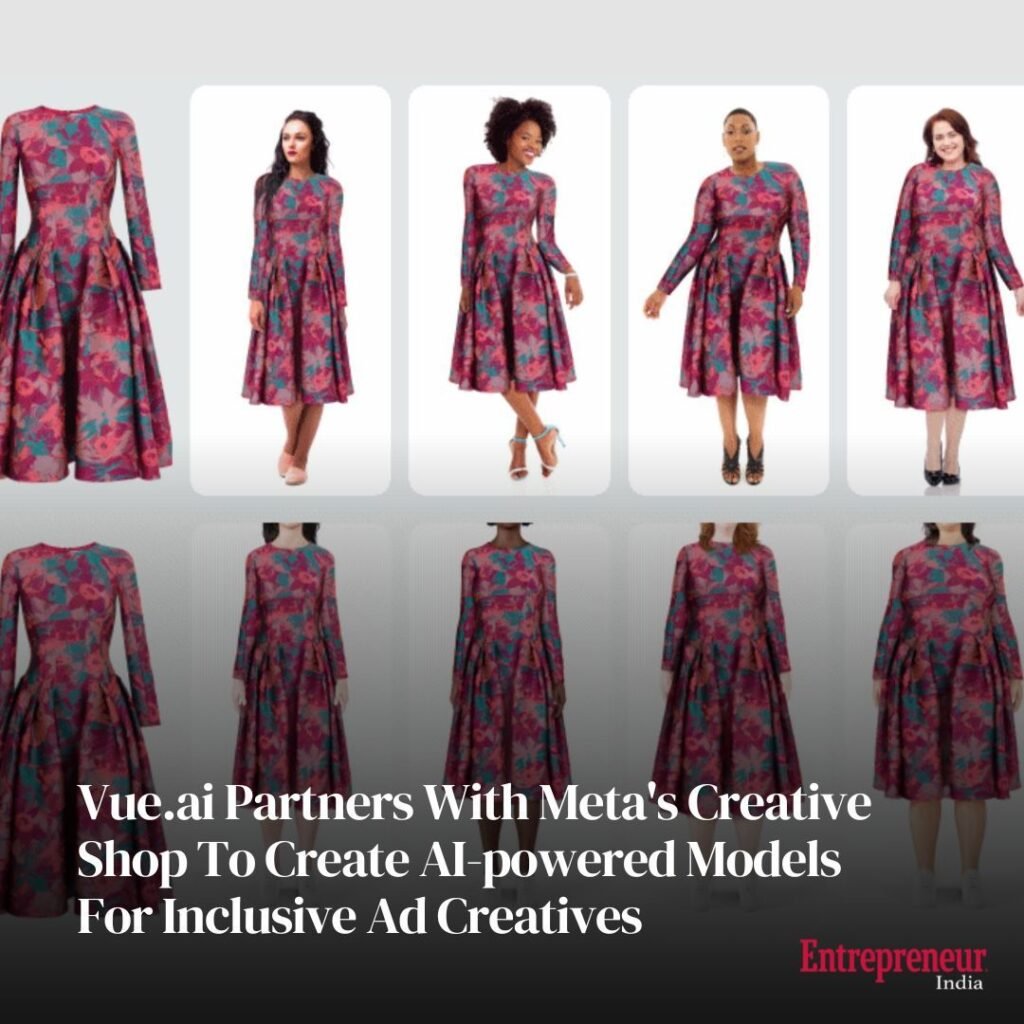
Who’s doing it: Beauty leaders such as; Sephora’s Virtual Artist; L’Oréal’s ModiFace tech and fashion tech vendors like 3DLOOK and Vue.ai supply the building blocks retailers license to power realistic try-ons and size recommendations.
Personalised beauty: quizzes, camera scans, and the Skin Genome
What it does: Apps analyse skin (texture, pigmentation, hydration) via quizzes or camera data and recommend routines or bespoke formulas.
Who’s doing it: Brands such as Proven use long-form diagnostics and ingredient databases to create personalised skincare regimens; other DTC beauty brands (e.g., Function of Beauty) apply similar personalisation to haircare and body products. These models combine consumer data with ingredient science to tailor formulations.
AI stylists that combine context and taste
What it does: Generative models and LLMs can suggest outfits for specific events (“gallery opening in Paris”), read calendar context, and adapt to your stated aesthetic, then hand off to a human stylist when nuance is required. Hybrid human and AI styling is the practical near-term model. Companies in the space are already experimenting with these workflows.
Resale and circular fashion, turbocharged by wardrobe AI
What it does: Auto-identify items you no longer wear, surface estimated resale value, and list across resale platforms, shortening the path from closet to cash and reducing waste. Apps focusing on “shop your own closet” behaviour are seeing traction as sustainability becomes a priority.
Smarter shopping feeds (less noise, more taste)
What it does: AI-curated feeds learn your preferred silhouettes, fits and colours so recommendations feel personal rather than algorithmic spam. Pinterest’s acquisition of The Yes shows the value of personalised shopping feeds and how larger platforms want that capability.
Generative design — AI as creative collaborator
What it does: Designers use generative tools to prototype prints, simulate fabric behaviour, and quickly iterate on concepts, accelerating sampling cycles and enabling on-demand or limited-run customisation. This is already in use by brands exploring faster concept-to-prototype workflows.
Will AI really change how we shop?
That is the trillion-dollar question. Today’s AI tools are clever, convenient, and even charming, but they have not yet cracked the emotional core of shopping culture.
Shopping has always been about more than efficiency; it is about expression, ritual, and context. A perfect outfit recommendation means little if it does not capture how someone wants to feel. AI can surface relevant options, but it still struggles with personal taste — that mix of instinct, identity, and rebellion.
There are also cracks beneath the glossy user experience:
- Onboarding friction: photographing and tagging a full closet still creates a barrier; successful apps invest heavily in one-shot capture and automatic tagging.
- Fit accuracy and inclusivity: body scanning and fit recommendations are improving but still have edge cases across body types, sizes, and demographics. Vendor partnerships are common because building reliable fit tech in-house is expensive.
- Privacy and trust: Your wardrobe and skin data are deeply personal. Apps that make data ownership and sharing transparent will win long-term loyalty, while those that do not will quickly lose it.
- Taste fatigue: Over-personalised feeds risk flattening discovery by showing us more of what we already like instead of introducing us to something unexpected.
So will AI transform shopping? Probably, but not overnight and not in the way tech marketers imagine. The biggest shift may not be in what we buy, but in how we relate to our wardrobes: buying more thoughtfully, styling more sustainably, and letting algorithms handle the practical tasks while we keep the creative spark.
AI can make shopping simpler, but taste remains gloriously human..