It’s raining lawsuits: Why fashion dupe battles are exploding while beauty brands stay silent
Fashion defends originality through the law; beauty defends it through brand loyalty. Each industry is rewriting what protection means in the age of dupe culture.
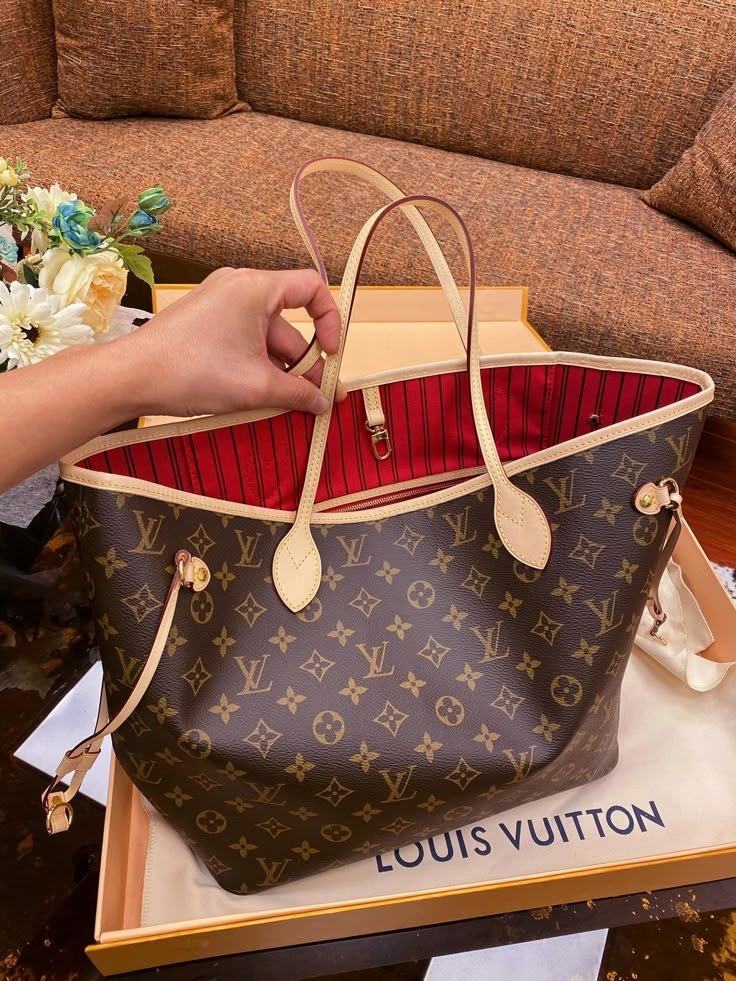
If you’ve been watching the headlines lately, it feels like every fashion house is in court. Louis Vuitton, Louboutin, Alo Yoga, even collectible toy brand Labubu — all are cracking down on copycats. From counterfeit flea market bags to yoga sets that mirror viral designs, lawsuits are piling up as brands reclaim control of their image.
Dupe culture has shifted from playful imitation to a direct challenge to brand identity. However, here’s what’s interesting: while fashion brands are fighting hard, beauty brands are mostly sitting back. The world of “dupes” — affordable lookalikes inspired by high-end products — plays out very differently between fashion and beauty.
Let’s break it down.
Fashion is fighting back
Louis Vuitton’s recent $584 million court victory against an Atlanta flea market marks a turning point not just in damages, but in intent. Fashion brands are no longer suing for justice; they’re suing to protect the value of their image.
Luxury houses now treat intellectual property as a commercial moat. Through trademark, copyright, and trade dress law, they safeguard every identifiable detail, from logos and hardware to silhouettes and soles. Even activewear giants like Alo Yoga and Lululemon have joined in, alleging that rivals copied their design language.
Litigation is expensive, but the symbolism matters. In a market where creative direction can shift overnight, a legal win communicates permanence. Every case sends the same message: imitation has limits, and brand identity is worth defending.
Fashion brands have stronger legal protection than beauty brands. They have tools like trademark, copyright, and trade dress laws to claim rights over logos, patterns, colour vs s, and even design details — like Louboutin’s famous red soles — to protect their brand’s visual identity.
Beauty’s quiet surrender
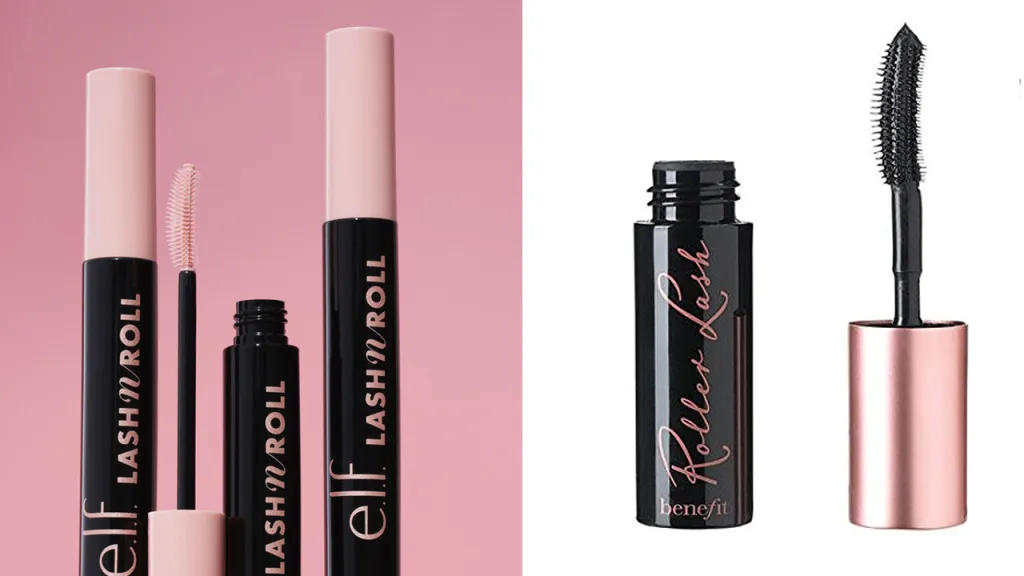
In beauty, the tone is different. From £6 lip oils mimicking Dior to mascaras inspired by Benefit, dupes dominate TikTok’s timelines and are often celebrated rather than condemned.
The reason is structural. The law gives beauty brands far less protection. Unless a rival copies a logo or claims false association, most “inspired by” products are entirely legal. Ingredient lists, colour matches, and packaging echoes sit in a grey area that’s difficult and costly to challenge.
When Benefit sued e.l.f. or Supergoop challenged Five Below, both cases showed the same pattern: if shoppers know they’re buying a cheaper alternative, there’s no confusion and no legal case.
Fragrance: the toughest battleground for dupes
No category reveals beauty’s legal limits more clearly than fragrance.
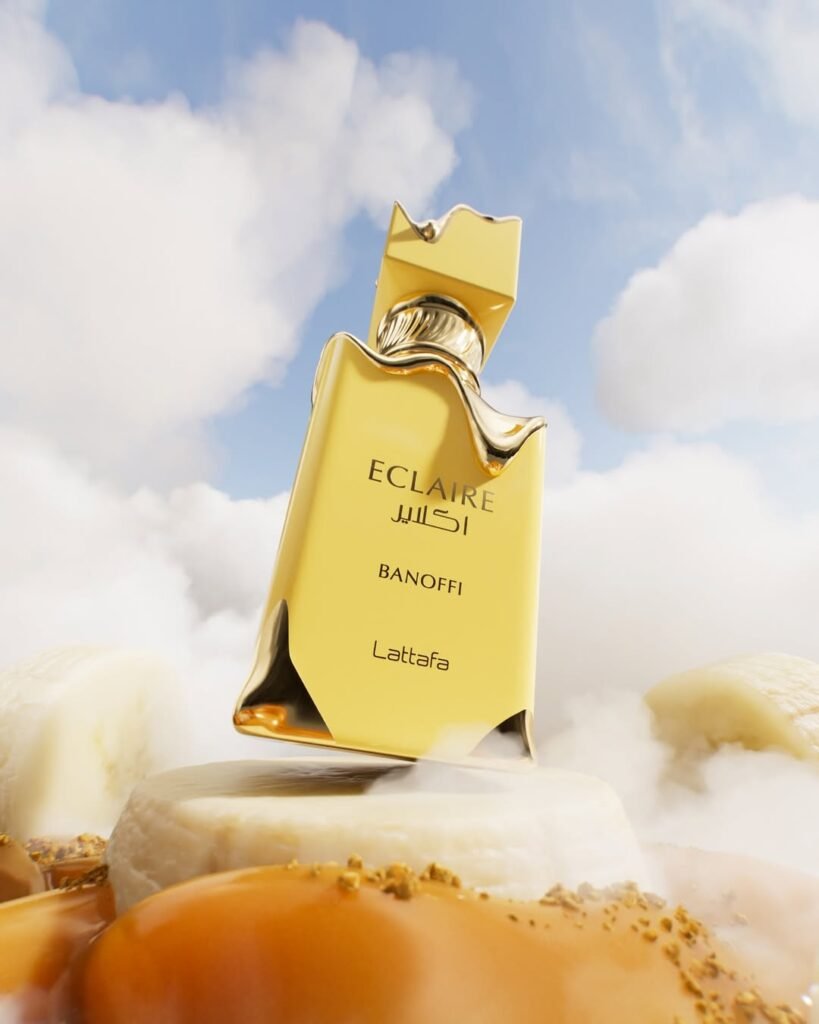
When Baccarat Rouge 540 became a global sensation, its distinctive amber-woody scent was cloned endlessly from Zara to celebrity lines like Ariana Grande. Legally, that remains untouchable. Fragrance formulas are treated as trade secrets, not intellectual property. Once a scent’s composition becomes public, anyone can reproduce it with minor adjustments.
That gap has allowed brands such as Lattafa to build fast-growing businesses offering affordable reinterpretations of luxury scents. Their success highlights how porous beauty’s legal boundaries are — and how luxury perfume houses must now compete with near-perfect imitations.
In fragrance, the only real defence is brand equity: craftsmanship, narrative, and price discipline. Consumers aren’t just buying the scent, they’re buying what it signifies.
Two industries, two forms of protection
The contrast between fashion and beauty comes down to structure. Fashion’s trademarks protect visuals that endure. Beauty’s assets:formulas, textures, and colours, are transient.
Fashion can fight back in court because its designs retain value for years. Beauty defends itself through perception and positioning.
Together they reveal how intellectual property is evolving. In fashion, copyright has become strategy. In beauty, positioning has become protection.
Final thoughts
Fashion’s lawsuits signal a broader truth: originality now carries a measurable return. Beauty’s restraint reflects a different kind of strength: the ability to rebuild value through loyalty, storytelling, and pricing power.
The more replication becomes normalised, the more value shifts to brands that protect what can’t be copied.
Fashion is going to court to defend its luxury image. Beauty is surviving on creativity and community instead of lawsuits.